Choosing the wrong air filter is one of the most common—and avoidable—HVAC mistakes homeowners make
Balance air quality, airflow, and system performance
If you’ve ever wondered which air filter to use—MERV 8, 11, or 13—you’re not alone.
For homeowners in Durango, this decision matters more than most people realize. Between dry conditions, dust, and seasonal allergies, your HVAC system plays a major role in both comfort and air quality.
The key is finding the right balance between clean air and proper airflow.
What Is a MERV Rating (and Why It Matters)?
MERV stands for Minimum Efficiency Reporting Value. It measures how well your filter captures particles like dust, pollen, pet dander, and smoke.
- Higher MERV = better filtration
- But also more airflow resistance if your system isn’t designed for it.
The Right Filter Depends on Your Home and Personal Needs
Here’s a simple way to think about it:
If Air Quality Isn’t a Major Concern
-home doesn’t have noticeable dust or allergy issues
- Use MERV 8–10 filters
- Change them more frequently (every 1–2 months)
This approach:
- Keeps airflow strong
- Reduces strain on your system
- Maintains solid baseline air quality
- This is often the most efficient setup for many homes.
If You Have Dust or Allergy Concerns
– like visible dust buildup, seasonal allergies, pets, etc.
Then stepping up filtration makes sense:
- Use MERV 10–11
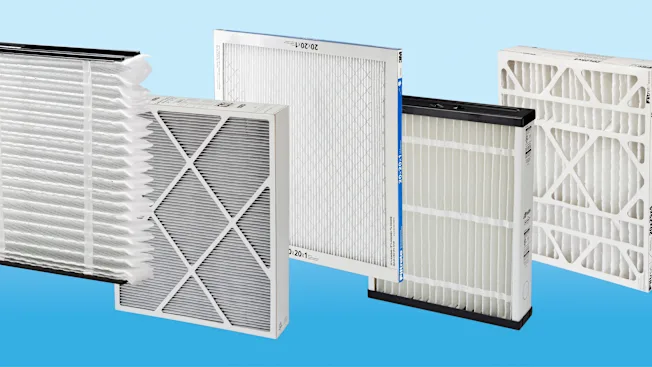
- Ideally paired with a 4–5 inch media filter
This combination provides:
- Better particle capture
- More surface area = less airflow restriction
- Improved indoor air quality without overworking your system
When Filters Alone Aren’t Enough
If you’ve upgraded filters and still have air quality issues, the next step is advanced filtration.
At Garrhs Heating & Air Conditioning, we can help upgrade your system to Electronic / electrostatic air cleaners
These systems:
- Capture finer particles
- Maintain strong airflow
- Provide the best combination of clean air + system performance
The Most Common Mistake!
Many homeowners assume “Higher MERV is always better”
In reality, using too high of a MERV rating on the wrong system can:
- Restrict airflow
- Reduce efficiency
- Increase wear and tear
That’s why the goal isn’t the highest number—it’s the right match for your system.
Don’t forget: Next time a Garrhs technician is at your home, ask them what MERV rating your system needs
Better Air Starts with the Right Setup. The right filter can improve comfort and air quality while protecting the longevity of your hvac system
Schedule Service or Get Expert Guidance
At Garrhs Heating & Air Conditioning, we help homeowners choose the right filtration setup for both air quality and long-term performance.
Clean air. Proper airflow. No guesswork.
Frequently Asked Questions
What MERV rating is best for most homes?
Most homes perform best with MERV 8–11 filters, balancing airflow and air quality.
Can a high MERV filter damage my HVAC system?
Yes, if your system isn’t designed for it, it can restrict airflow and increase strain.
How often should I change my HVAC filter?
Typically every 1–3 months depending on usage, pets, and dust.
Are thicker air filters better?
Yes—4–5 inch filters provide better filtration with less airflow restriction.