If you’re a homeowner in Durango, you’ve probably asked “How long should my AC system actually last?”
The short answer – 12–18 years on average. But in mountain regions like Durango, that number can vary significantly depending on how your system is used, installed, and maintained.
Why AC Lifespan Is Different in Mountain Climates
Unlike hotter, low-elevation areas, Durango systems experience:
- Higher elevation (affects system performance)
- Large temperature swings (more stress on components)
- Dust and dry air (impacts filters and airflow)
These factors can impact the lifespan depending on how the system is managed.
5 Key Factors That Impact AC Lifespan
Here’s a simple way to think about it:
1. Poor installation is the #1 reasons systems fail early.
Even the best equipment won’t last if it’s not installed correctly. Primary installation issues includes:
- Accurate system sizing (load calculations)
- Correct airflow design
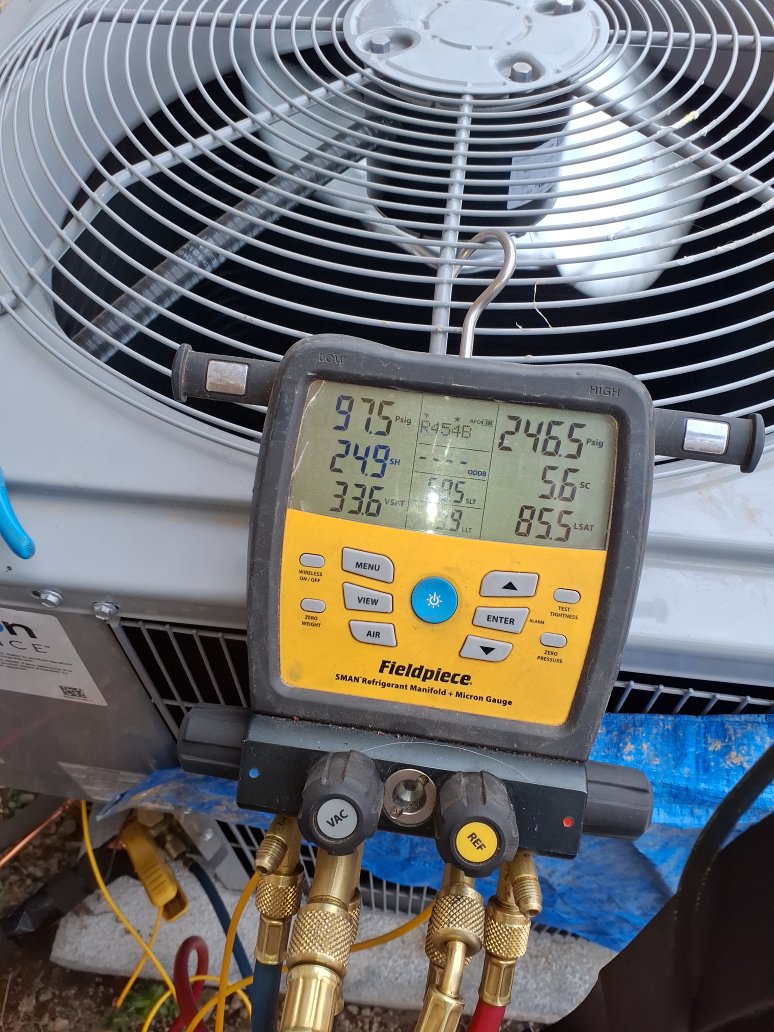
- Proper refrigerant charge
2. Maintenance (or Lack of It)
Regular maintenance can add years to your system’s life. Without it, you’ll see:
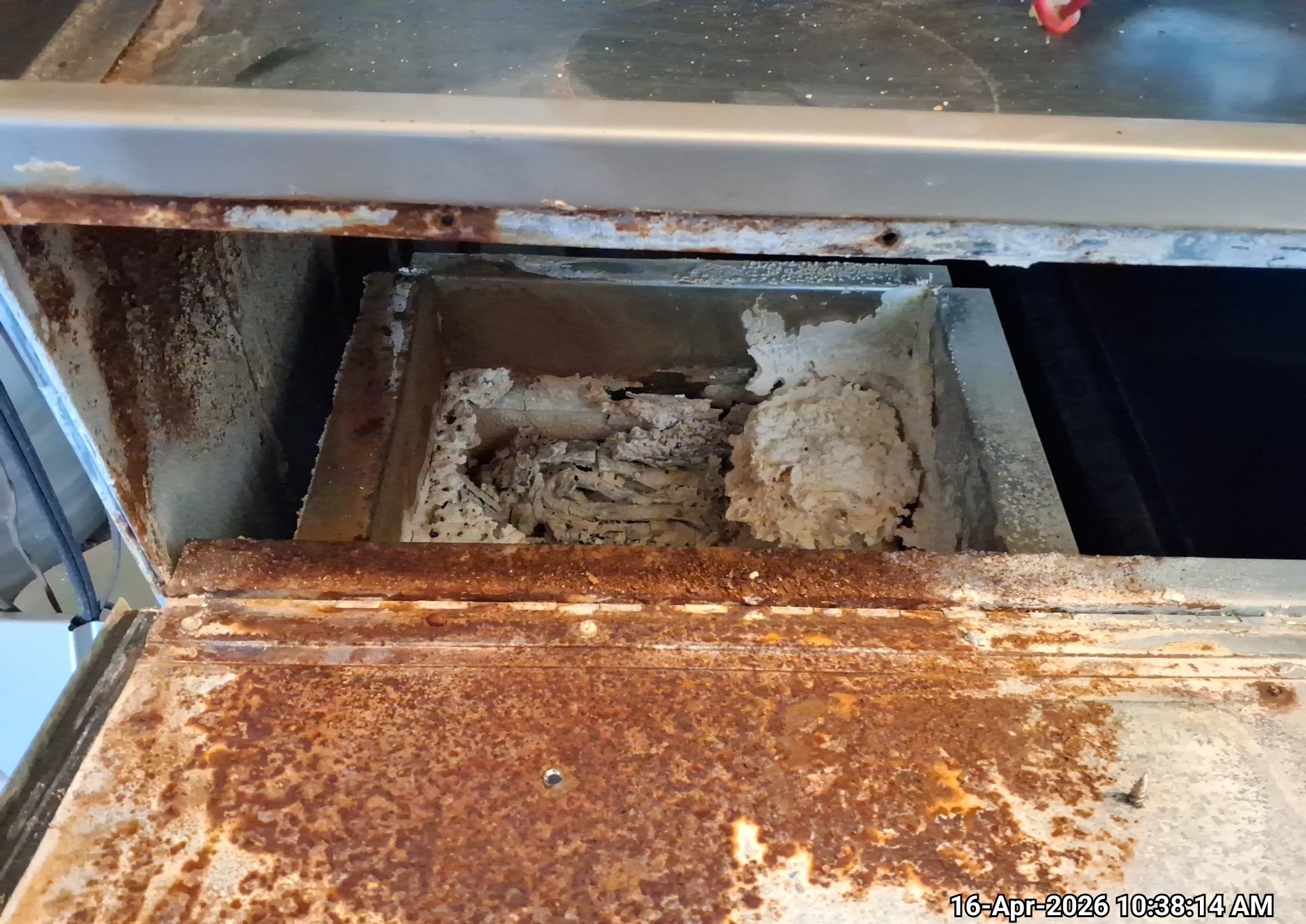
- Dirty coils
- Reduced efficiency
- Increased wear on components
3. Airflow & Filtration
This is where many systems get into trouble.
- Restrictive filters (too high MERV)
- Dirty filters
- Blocked ductwork
All of these force your system to work harder than it should.
Over time, that extra strain:
- Wears out motors
- Impacts compressors
- Shortens system life
4. Usage Patterns in Durango Homes
This “start-stop” pattern typically seen in Mountain homes is harder on components than steady use. Mountain homes:
- Experience rapid temperature changes
- Run systems intermittently
- Vacation rentals that sit vacant part of the year
5. Outdoor Conditions (Dust, Debris, Altitude)
Durango’s environment plays a role:
- Dust buildup reduces efficiency
- Debris impacts outdoor units
- Altitude affects heat transfer
Keeping the outdoor unit clean and clear is critical.
Signs Your AC System may be near the end
- Frequent repairs
- Rising energy bills
- Uneven cooling
- System age approaching 15+ years
At that point, it’s often worth evaluating replacement vs. continued repairs.
How to Maximize the Life of Your AC System
Simple steps that make a big difference:
- Change filters regularly
- Schedule annual maintenance
- Keep outdoor units clear
- Use the right MERV rating for your system
- Address small issues early
At Garrhs Heating & Air Conditioning, we help homeowners extend system life through:
- Professional tune-ups
- Proper filtration guidance
- Long-term system planning
Many customers choose our Very Important Customer (VIC) Maintenance Plan to stay ahead of issues and protect their investment.
Interested in learning more?
We’ll help you understand:
- How much life your system has left
- What’s worth fixing
- When it makes sense to replace
Frequently Asked Questions
How long do AC units last in Durango?
Most AC systems last 12–18 years, but lifespan can vary based on installation quality, maintenance, and mountain climate conditions.
What shortens the life of an AC system?
Poor installation, lack of maintenance, restricted airflow, and harsh outdoor conditions like dust and debris can all reduce system lifespan.
How do I know if my AC needs to be replaced?
Signs include frequent repairs, rising energy bills, uneven cooling, and systems over 15 years old.
Does maintenance really extend AC life?
Yes—regular maintenance helps improve efficiency, reduce wear, and can add several years to your system’s lifespan.
Should I repair or replace my AC system?
If repair costs are significant and the system is over 10–15 years old, replacement is often the more cost-effective long-term option.